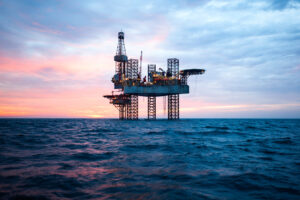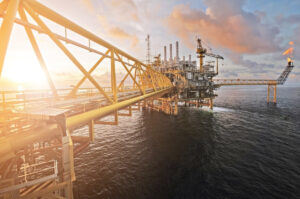

If you’ve been reading about offshore drilling in the Gulf of Mexico, you’ve probably seen the words “oil rig” and “oil platform” used like they mean the same thing.
A lot of people use them interchangeably, and in casual conversation, that usually doesn’t cause confusion. But technically, they’re different, and understanding the difference can make it easier to follow how offshore drilling works (and why the work can be so risky).
What Is an Oil Rig?
An oil rig is the drilling equipment and system used to drill into the earth to reach oil or natural gas. Think of it as the “tool” that does the drilling.
An offshore oil rig often includes:
- The derrick (the tall tower you picture when you imagine drilling)
- Drill pipe and the drill bit
- Pumps, engines, and power systems
- A blowout preventer (a key safety device meant to help control pressure)
- Work areas and, in many setups, crew living quarters
Oil rigs can be on land or offshore. Offshore, rigs may be mounted to a stable structure or placed on a mobile unit that can move from site to site.
For a legal consultation call (713) 500-5000
What Is an Oil Platform?
An oil platform is an offshore structure built to support drilling and production operations. It’s more like the “worksite,” or the base that holds equipment, provides stability, and makes long-term operations possible.
Oil platforms may be:
- Fixed platforms, anchored to the seabed
- Compliant towers, designed to flex in deeper water
- Floating platforms, such as semi-submersibles or drillships
- Tension leg platforms, held in place by anchored cables
One of the biggest differences is longevity. A platform may stay in place and keep operating long after the drilling phase is done, because production can continue for years.
How They Fit Together
In many offshore operations, the rig sits on the platform (or is integrated into it). The platform provides a stable base and infrastructure. The rig does the drilling.
A simple way to remember it:
- Oil rig: the drilling system
- Oil platform: the offshore structure that supports drilling and production
Some rigs are mobile and move from one location to another. Many platforms are stationary and built for long-term use.
Click to contact us today
Why the Difference Matters, Especially for Safety
Whether someone works on a rig, a platform, or both, offshore jobs can be dangerous. Crews often work long shifts around heavy machinery and high-pressure systems, sometimes in rough weather.
Common hazards include:
- Fires and explosions
- Equipment malfunctions and mechanical failures
- Falls from heights
- Struck-by accidents from tools or falling objects
- Crane and lifting incidents
- Chemical exposure
When something goes wrong offshore, the consequences can be severe — and it may involve multiple companies. One entity might own the platform, another might operate the rig, and another might employ the crew. That separation can become important when an injured worker is trying to understand who may be responsible.
Complete a Case Evaluation Form Now
Oil Rigs and Platforms Are Not Refineries
It’s also worth clearing up another common mix-up: oil rigs and platforms are not refineries.
- Rigs and platforms focus on finding and extracting oil and gas.
- Refineries (usually on land) process crude oil into products like gasoline, diesel, and jet fuel.
They’re part of the same industry, but they’re very different environments.
What Laws Protect Offshore Oil Workers?
Many offshore workers are covered by federal maritime laws, not traditional Texas workers’ compensation rules.
Depending on the job and where the injury happened, a claim may fall under:
Which law applies can depend on factors like a worker’s duties, the type of vessel or structure involved, and the details of the incident.
Contact Attorney Brian White Personal Injury Lawyers for a Free Case Evaluation with a Houston Oil Rig Accident Lawyer
Oil rigs and oil platforms are closely connected, but they are not the same. A rig is the drilling system. A platform is the offshore structure that supports drilling and, often, long-term production.
If you or someone you love was injured while working offshore, it’s normal to have questions, especially when multiple employers and contractors are involved. A Houston oil rig accident lawyer can help you understand what options may be available and what steps to take next.
Reach out to Attorney Brian White Personal Injury Lawyers to schedule a free consultation today at (713) 500-5000.
Houston, TX 77098
Houston, TX 77029
Houston, TX 77054
Houston, TX 77079
Houston, TX 77058
The Woodlands, TX 77380
Houston, TX 77069
About the Author Brian White

Brian White earned his J.D. from South Texas College of Law in Houston and is licensed to practice in Texas. He is a Board-Certified Personal Injury Trial Lawyer.
Dedicated to giving back, he actively supports local charities and community initiatives.
Client testimonials highlight Brian’s compassion, open communication, and dedication to achieving the best outcomes for those he represents.
Avvo / Justia / Linkedin / Facebook / Youtube / Instagram / Yelp /
Call or Text (713) 500-5000 or Complete a Case Evaluation Form